

Revoir la mer | To see the sea again
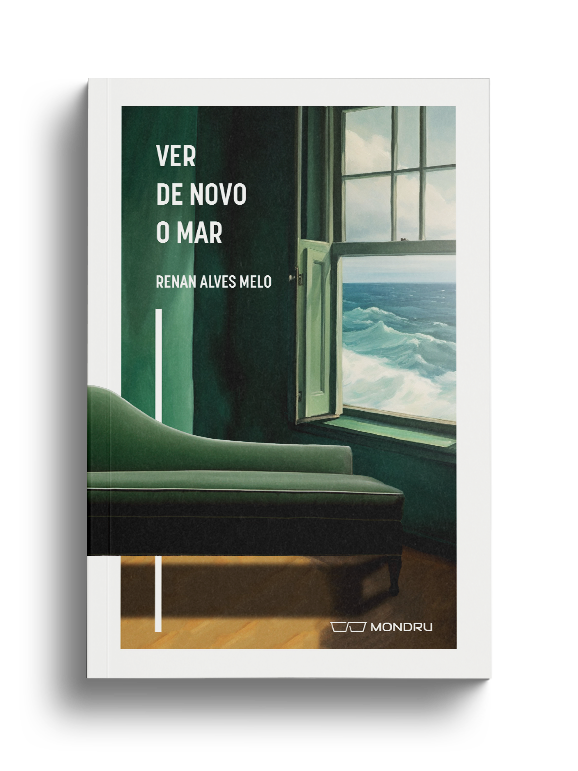
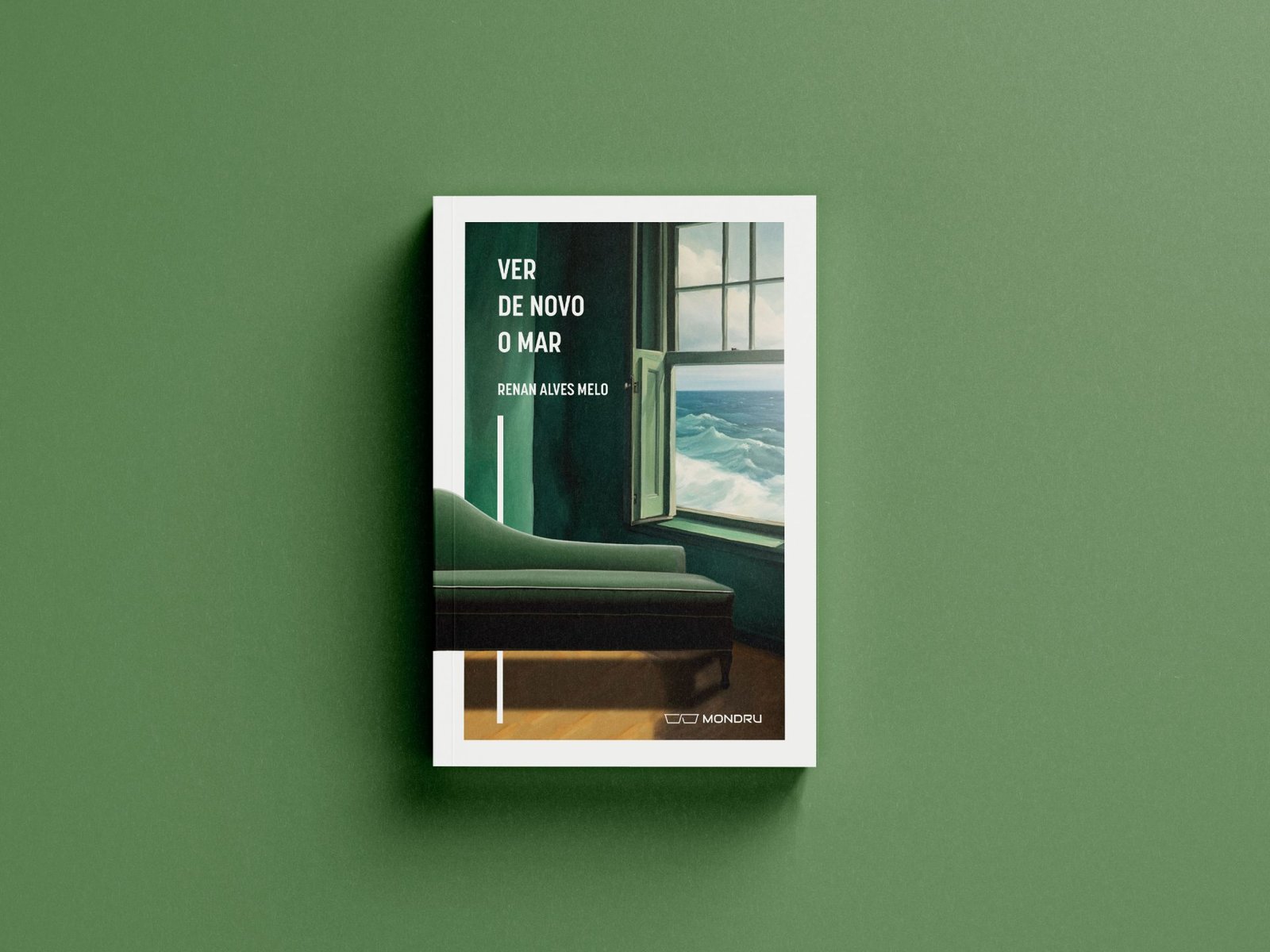
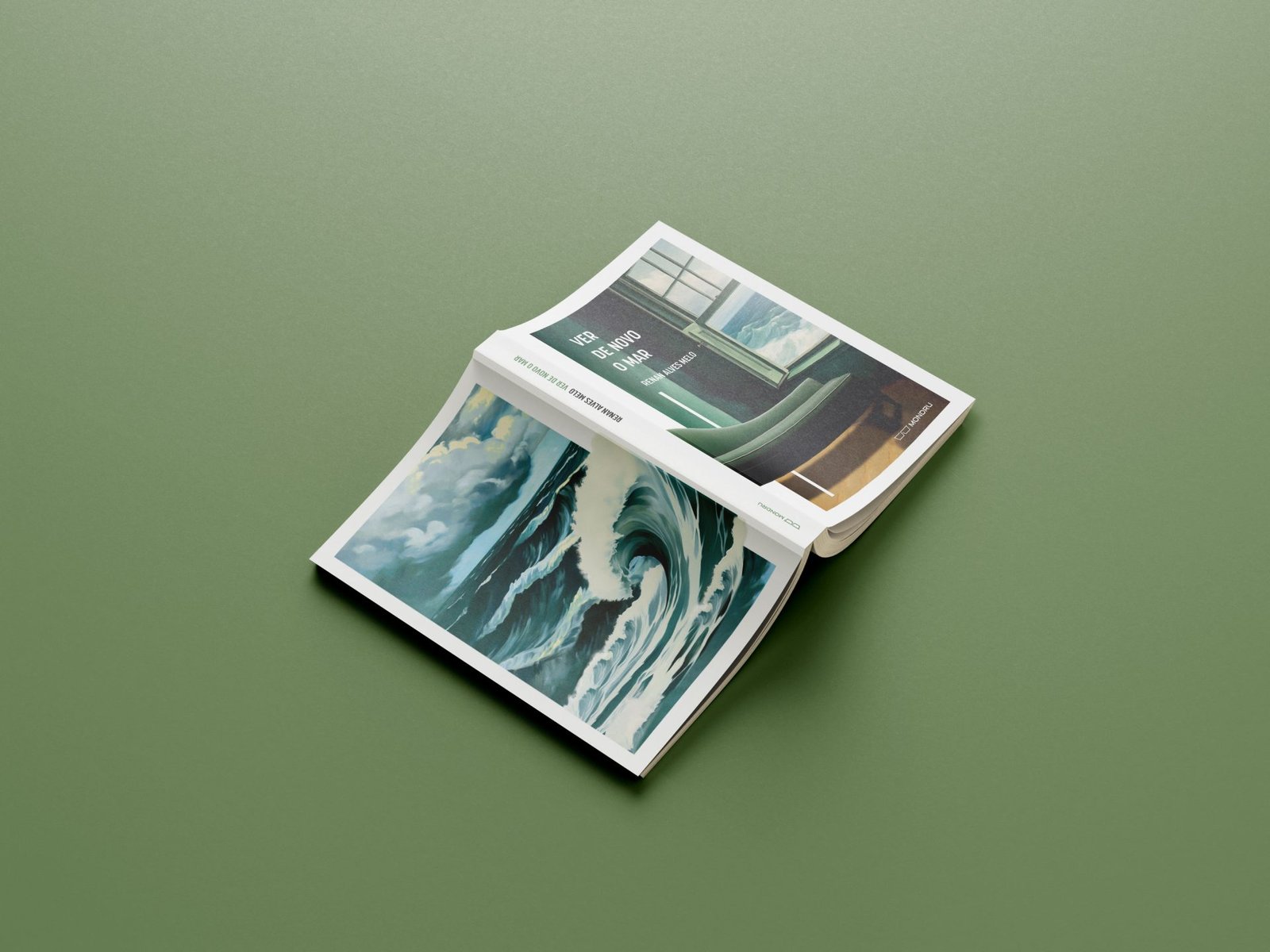
“Voir à Nouveau la Mer” est un livre sur les rédemptions. Le titre de l’œuvre illustre et suggère son engagement : un regard vers l’immensité de l’être humain, à partir de cette image littéraire hypnotique, avec toutes ses vagues et ses inquiétudes. C’est la seconde chance, c’est le nouveau coup de rame, c’est le parcours qui s’ouvre comme deux bras réconfortants. Autrement dit, une plongée profonde dans l’intimité des personnages blessés, solitaires et incomplets. Tout cela à partir d’une voix pour le moins discutable, qui redéfinit l’émerveillement de la vie avec la poésie et ses cicatrices. Un père qui fait du sentiment le plus noble sa plus grande disgrâce. Une dame qui savoure toute sa vie une vengeance silencieuse. Une jeune fille qui cherche dans l’arbre stérile la raison de toutes ses culpabilités. Un enfant qui franchit la barrière d’un secret et ne peut plus revenir en arrière. Vingt histoires, divers conflits, secrets infinis et un seul cap : Voir à nouveau la mer.
Ver de Novo o Mar is a book about redemptions. The title of the work illustrates and suggests its commitment: a gaze into the immensity of the human being itself, through this hypnotic literary image, with all its waves and restlessness. It is the second chance, the new stroke, the path opening like two comforting arms. In other words, a deep dive into the innermost depths of wounded, lonely, and incomplete characters. All through a voice, questionable at the very least, that reshapes life’s astonishment through poetry and its scars. A father who turns the noblest feeling into his greatest misfortune. An elderly woman who savors her silent revenge throughout an entire lifetime. A young woman who seeks in the barren tree the reason for all her guilt. A child who crosses the boundary of a secret and can no longer return. Twenty stories, diverse conflicts, infinite secrets, and only one direction: Ver de novo o mar.